
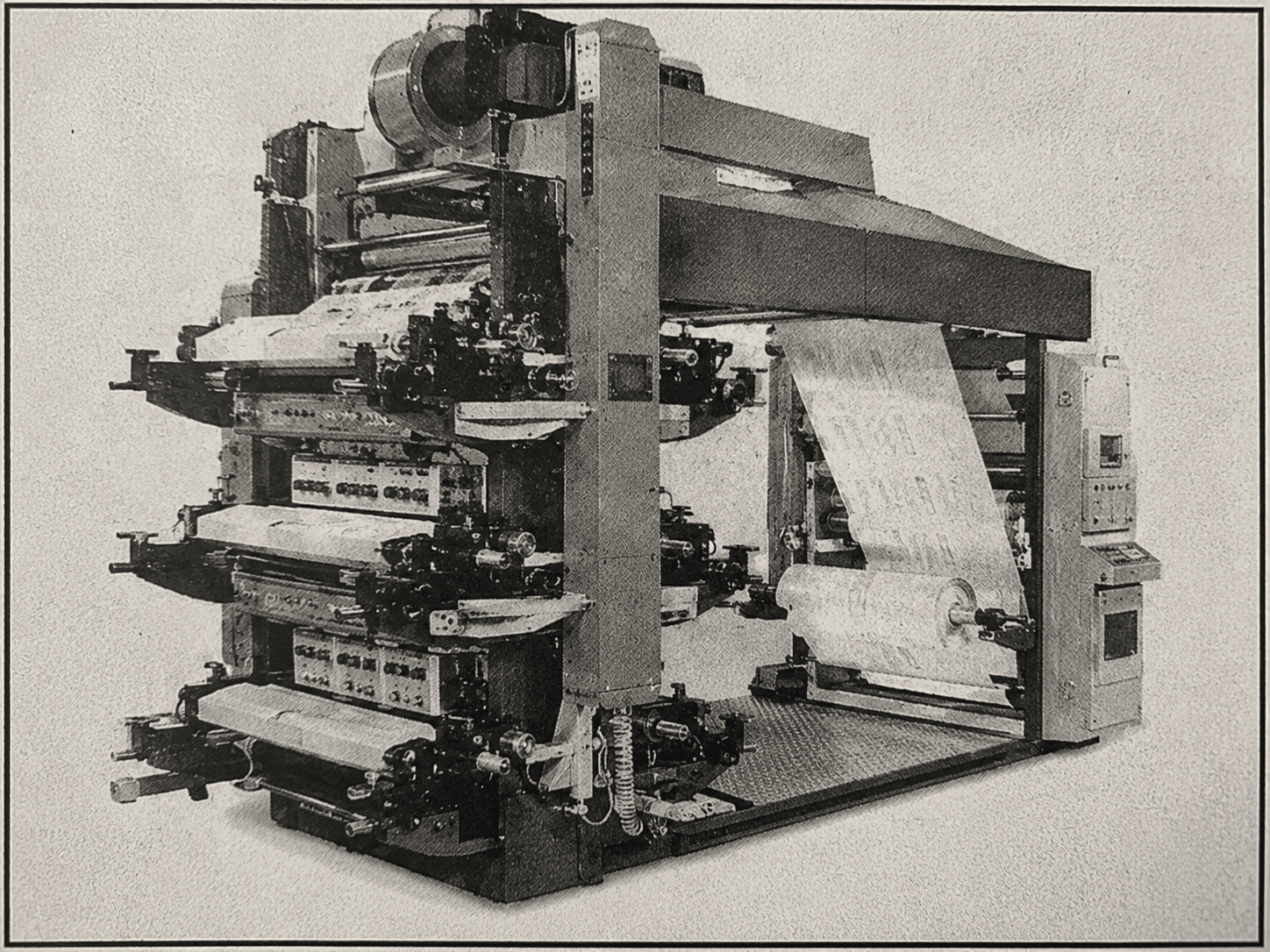
Flexographic printing, commonly known as flexo printing, is a relief printing process in which a flexible printing plate carrying the design comes into direct contact with the printing substrate. The term flexography refers to the use of flexible rubber or photopolymer printing plates. This printing method is commonly used for printing on plastic films, including polyethylene and other flexible packaging materials.
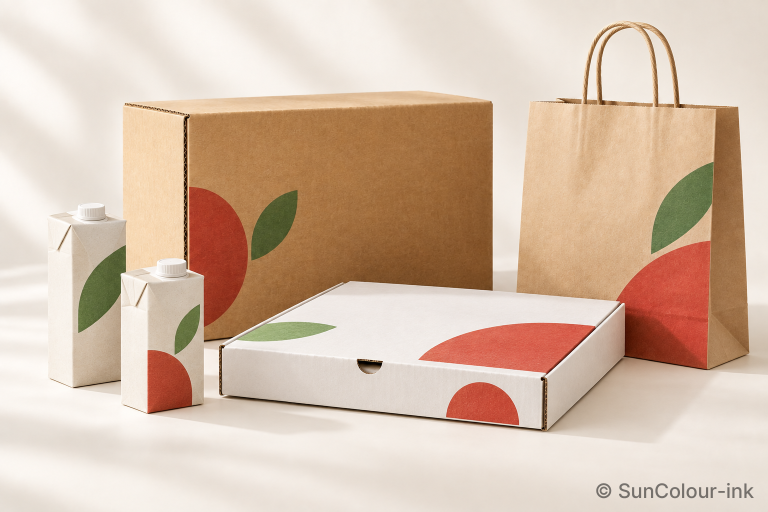
Today, flexographic printing is one of the most important technologies in the flexible packaging industry. It is widely used for printing on plastic films, paper, aluminum foil, labels, cellophane, shrink films, bags, and various types of food packaging.
In modern flexographic printing presses, ink is transferred using an Anilox Roller. This system enables precise control over ink volume and ensures uniform ink transfer. Additionally, high-quality photopolymer printing plates, advanced registration control systems, and press automation have significantly improved printing accuracy and quality.
One of the most significant developments in flexographic printing in recent years has been the advancement and wider adoption of water-based inks and UV/LED UV inks. Water-based inks have gained attention due to their lower VOC emissions, easier cleaning, and widespread use in paper and paperboard printing. In contrast, UV and LED UV inks offer rapid curing and suitable resistance to water, chemicals, scratches, and abrasion, making them widely used in many label and packaging applications.
In modern flexographic printing presses, technologies such as Servo Drive, Automatic Registration Control, Auto Wash, Job Recall, and Quick Plate and Anilox Changeover have reduced setup times, minimized material waste, and increased overall production efficiency.